Most homeowners never think about roof flashing until water stains appear on their ceiling. These thin metal strips work quietly between your roof panels and building elements, creating weatherproof barriers at every joint, corner, and penetration. Yet despite their modest appearance, flashing components bear enormous responsibility for keeping water outside where it belongs. Property owners across Bedford County typically encounter their first flashing problems between 10 and 15 years after installation, when environmental factors finally overcome the material’s protective qualities.
At Choice Roofing Services, LLC, our 18+ years working with metal roofing systems have revealed a consistent pattern: small flashing issues caught early remain manageable and affordable, while ignored problems cascade into expensive structural damage affecting insulation, framing, and interior finishes. Understanding what flashing does, where it fails, and when to seek professional roof repair services makes the difference between a simple maintenance task and a major restoration project.
The Role of Roof Flashing in Metal Roofing Systems
Roof flashing creates weatherproof seals at every transition point on your roofing system. These metal strips function as your roof’s defensive line against water infiltration.
Metal panels handle water flowing across large, flat surfaces efficiently. However, anywhere two surfaces meet creates a potential pathway for water entry. Flashing redirects water away from these vulnerable intersections through carefully designed angles and overlaps.
Without properly functioning flashing, water seeps beneath your roofing material. This moisture travels along roof decking, saturates wooden structural components, and eventually appears as ceiling stains or wall discoloration inside your home. What begins as a small flashing gap becomes major structural damage affecting multiple building systems.
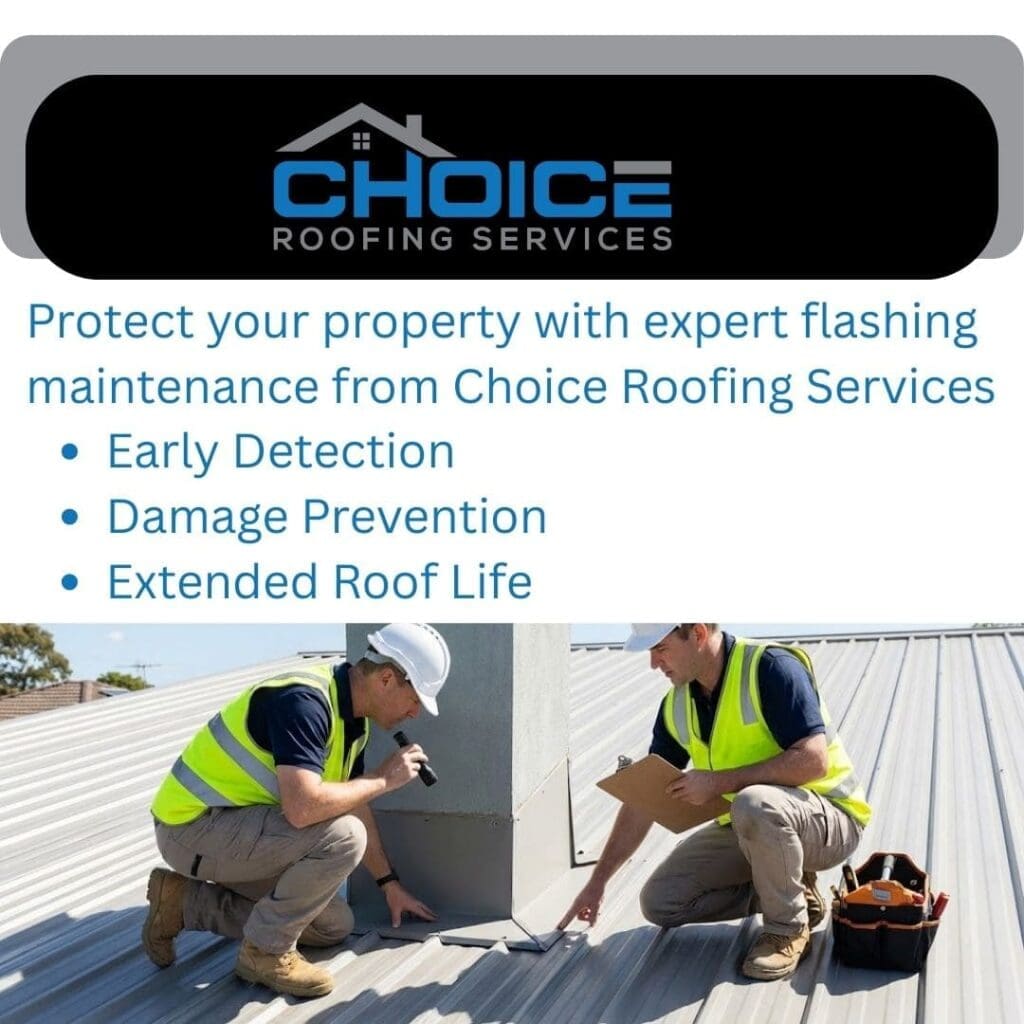
Flashing serves three primary functions:
- Directing water flow away from joints and penetrations.
- Accommodating building movement as structures naturally expand and contract with temperature changes.
- Maintaining the protective seals through decades of thermal cycling without compromising integrity.
Types of Metal Roof Flashing
Metal roofing systems incorporate several flashing types designed for specific locations and challenges. Understanding these variations helps property owners recognize problem areas and communicate effectively with roof repair services.
Step Flashing for Wall Intersections
Step flashing consists of small, L-shaped pieces installed in a stair-step pattern where metal roofs meet vertical walls. Each piece overlaps the next, creating a pathway that channels water down and away from the wall intersection. The pieces are strategically overlapped during installation to create continuous protection along the entire wall-to-roof junction.
Valley Flashing for Roof Intersections
Valley flashing protects the internal angles where two roof planes converge. These areas collect more water than any other roof location, making them prone to leaks when flashing fails.
Valley flashing forms a continuous metal trough running from ridge to eave. The trough must be wide enough to handle heavy rain and snowmelt without overflowing. The metal extends several inches up each adjoining roof plane to prevent water from backing up under roofing materials during severe weather.
Chimney Flashing Systems
Chimneys require multiple flashing components working together. Base flashing sits beneath the roofing material and extends up the chimney sides. Counter flashing embeds into mortar joints and overlaps the base pieces.
This dual approach creates a layered defense system. The base flashing kicks water away from the chimney foundation. Counter flashing directs water running down the chimney onto the base pieces for disposal.
Drip Edge and Penetration Flashing
Drip edge flashing runs along the roof perimeters at eaves and rakes. This L-shaped metal directs water away from fascia boards and into gutters, preventing moisture damage to the roof edges. Without functional drip edges, water wraps around the roof edges and damages the underlying wood components through constant exposure.
Vent pipes, exhaust fans, and other roof penetrations require specialized flashing boots. These components combine flat metal bases with flexible rubber or metal sleeves that fit snugly around pipes. The base slides beneath roofing material while the sleeve creates a watertight seal around the pipe diameter. Temperature extremes gradually deteriorate rubber components, typically requiring replacement every 10-15 years.
Each flashing type serves a distinct purpose, and failures in any location require prompt attention from residential roof repair services to prevent water infiltration and structural damage.
Common Causes of Flashing Failure
Several factors contribute to flashing deterioration on metal roofing systems. Understanding these causes helps property owners anticipate problems and schedule roof maintenance services before failures occur.
Temperature Cycling and Thermal Movement
Temperature cycling places constant stress on flashing installations. Metal expands during summer heat and contracts in winter cold. Pennsylvania experiences temperature swings exceeding 100 degrees between summer highs and winter lows.
This expansion and contraction gradually loosens fasteners, creates gaps in sealants, and stresses flashing at attachment points. Standing seam metal roofs accommodate this movement through specialized clip systems. However, flashing must bridge between the moving roof and stationary building elements, creating stress at connection points.
Installation Errors
Poor installation techniques create flashing vulnerabilities from day one. Inexperienced contractors may install flashing pieces in incorrect sequences, fail to overlap components properly, or use incompatible metal types.
For example, installing counter flashing before base flashing reverses the proper water shedding sequence. Using steel fasteners with copper flashing creates galvanic corrosion that accelerates material breakdown. These installation errors allow water entry even when flashing materials remain in good condition.
Material Deterioration
Material deterioration affects different flashing metals at varying rates.
- Galvanized steel develops rust when protective zinc coatings wear through, typically after 20-30 years of exposure.
- Aluminum resists corrosion better than steel but dents easily from falling branches or maintenance traffic.
- Copper offers superior longevity but costs more than other metal options.
Environmental conditions like salt spray from winter road treatments or industrial pollution accelerate corrosion regardless of metal type.
UV Degradation of Sealants
UV exposure degrades sealants and rubber components around flashing installations. Sunlight breaks down these materials over 10-15 years, causing them to become brittle, lose flexibility, and develop cracks that allow moisture penetration. Regular inspection identifies deteriorating sealants before they fail completely.
Recognizing Signs of Flashing Problems
Recognizing flashing problems early prevents minor issues from becoming expensive emergencies requiring roof repair services. Both exterior and interior warning signs indicate developing flashing failures.
Exterior Visual Indicators
Rust Stains and Corrosion
Rust stains around flashing locations signal active corrosion beneath protective coatings. Small brown or orange spots near fasteners indicate moisture accessing the metal substrate. These stains appear first at nail heads and along panel edges where water penetrates damaged coatings.
Dark streaks running down from flashing suggest water traveling from compromised areas above. Follow these streaks upward to identify the leak source. Rust typically begins at fastener locations before spreading across larger surface areas.
Gaps and Separations
Gaps between flashing and adjacent surfaces reveal seal failures. Even small separations measuring 1/8 inch allow water entry during wind-driven rain. Check carefully where flashing meets chimneys, walls, and roof penetrations. Visible daylight through these gaps indicates immediate repair needs.
Lifted or Loose Flashing Edges
Lifted or loose flashing edges catch wind and bend, creating permanent damage. Wind forces and temperature changes cause flashing to gradually separate from attachment points. Once flashing lifts away from surfaces, water runs beneath the material rather than over it. These unsecured edges require professional attention before the next storm pulls them completely free.
Interior Warning Signs
Water Stains on Ceilings and Walls
Water stains on ceilings near flashing locations provide clear evidence of active leaks. Brown or yellow discoloration indicates ongoing moisture penetration. Even small stains measuring a few inches across suggest problems that worsen during each precipitation event.
The location of interior stains helps identify exterior leak sources. For example, stains near chimneys point to chimney flashing problems while stains in upper corners often trace to valley flashing issues.
Attic Moisture and Frost Formation
Attic moisture or frost formation points to ventilation issues or hidden leaks. Excessive dampness damages wooden structural components long before exterior signs become visible. Winter frost on roof decking indicates either inadequate ventilation or active leaks allowing moist interior air into attic spaces.
Musty Odors and Mold Indicators
Musty odors in upper-level spaces suggest hidden moisture from roof leaks. Mold growth occurs quickly in damp environments, creating health concerns and structural damage. These odors warrant inspection even when the exterior appears intact, and no visible ceiling stains exist.
Professional Repair Timing and Necessity
Certain flashing problems demand immediate professional attention to prevent progressive damage. Knowing when to seek roof repair near you protects your property investment.
Emergency Situations
Contact roofing repair services immediately for active water infiltration showing interior ceiling or wall stains. Leaks cause cumulative damage that worsens with each rain event. Water traveling through roof assemblies damages insulation, electrical systems, and structural framing.
Emergency response prevents harm to furnishings, electronics, and interior finishes while limiting structural moisture damage. A single heavy rainstorm can cause substantial interior damage when leaks go unaddressed.
Multiple loose or missing fasteners represent imminent failure risks during the next weather event. Wind forces during storms can pull entire flashing sections free when fasteners fail. Prompt attention prevents panel loss and associated damage. Professional contractors possess specialized tools for properly securing loose components without over-compression that damages sealing washers.
Planned Maintenance Assessment
Large rust areas or storm damage require professional assessment. Extensive corrosion often indicates hidden problems beyond visible deterioration. Rust penetrating through the metal substrate suggests the flashing has reached the end of its service life.
Storm damage may affect structural components beneath damaged flashing. High winds can lift flashing edges, allowing water entry that damages the roof decking. Hail impact can dent flashing, creating low spots where water pools. A thorough inspection from professional roof maintenance services identifies all issues requiring correction.
Schedule routine assessment for properties with roofing systems over 15 years old. Planned maintenance proves more manageable than emergency response to failures. Regular inspection creates documentation of roof condition useful for insurance claims and property transfer requirements.
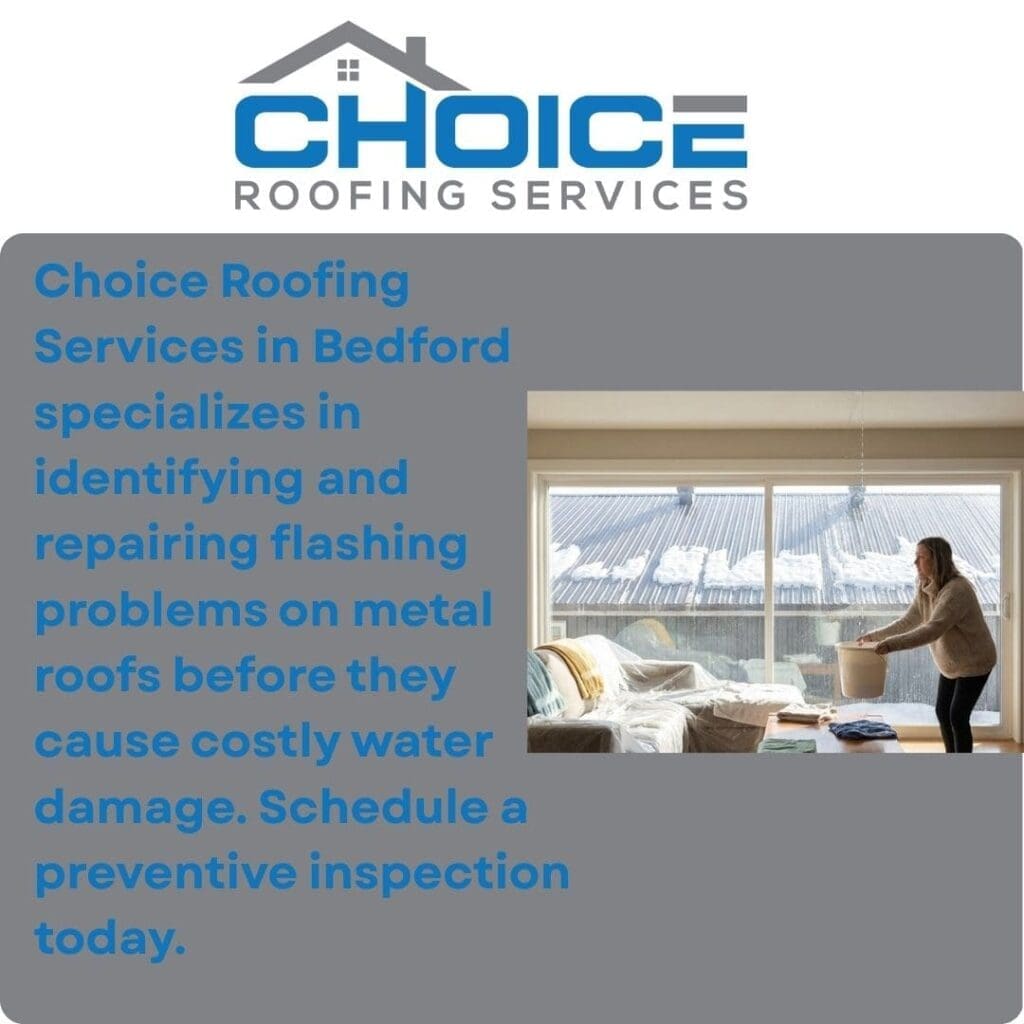
Minor surface rust in isolated locations responds well to treatment during scheduled visits. Gradual sealant deterioration around flashing without active leaks allows planned replacement before problems develop. Working with experienced residential roof repair services helps you balance immediate needs with long-term maintenance planning, protecting your property from costly water damage.
Flashing Material Longevity
Flashing longevity depends on material quality, installation workmanship, environmental exposure, and maintenance practices.
Galvanized Steel Performance
Galvanized steel flashing typically lasts 20-30 years when properly installed and maintained. The zinc coating protecting the steel substrate gradually wears away through weathering and minor abrasion. Once zinc protection disappears, rust develops rapidly.
Coastal properties or locations with heavy industrial pollution may experience shorter service life due to accelerated corrosion. Working with residential roof repair services for regular maintenance extends galvanized steel performance through prompt rust treatment. Treating surface rust before it penetrates the metal substrate can add 5-10 years to flashing life.
Aluminum and Copper Options
Aluminum flashing offers a 30-50 year service life with superior corrosion resistance compared to galvanized steel. The material naturally forms a protective oxide layer that prevents deeper corrosion. This self-protecting characteristic makes aluminum particularly suitable for coastal environments.
However, aluminum dents more easily from impact damage. Properties with trees overhanging roofs may experience shorter aluminum flashing life due to branch damage during storms. Copper flashing provides 50+ years of reliable performance when installed correctly. The material develops a protective patina that actually enhances corrosion resistance over time.
Rubber Component Cycles
Rubber components around vent penetrations require replacement every 10-15 years, regardless of base flashing condition. UV exposure gradually degrades rubber materials even when they appear intact from ground level. Small cracks quickly enlarge, allowing water entry around pipe penetrations. Replacing rubber boots during scheduled maintenance intervals prevents leak development and associated interior damage.
Professional Inspection
Systematic inspection identifies developing flashing problems before they require emergency intervention. A professional roof repair service near you can provide a thorough assessment of all flashing locations, documenting current conditions and recommending appropriate maintenance timing.
Inspection Frequency
Systems under 15 years old benefit from assessment every 2-3 years. This frequency identifies age-related deterioration before it progresses to failure. Inspection timing should coincide with fall months, allowing repairs before winter weather places maximum stress on roofing systems.
Older systems or those in challenging environments warrant annual professional review. Metal roofs exceeding 20 years of age approach the end of their original flashing service life. Properties located near highways, industrial areas, or coastal regions experience accelerated deterioration, requiring closer monitoring.
Immediate inspection following severe weather events identifies storm damage before minor problems become major failures. High winds can lift flashing edges without causing obvious damage. Hail impact may dent flashing, creating subtle depressions where water pools.
Trust Choice Roofing Services for Metal Roof Flashing Solutions
Flashing failures don’t announce themselves until water appears inside your home. By that point, damage extends beyond visible symptoms to affect structural components and interior finishes. This is precisely why professional roof repair near you focuses on early detection.
18+ Years of Metal Roofing Experience in Central Pennsylvania
Choice Roofing Services has been serving Bedford County for over 18 years, and this experience has taught us exactly where flashing problems develop on metal roofing systems. We recognize local climate stress patterns affecting installations throughout central Pennsylvania. This regional experience allows us to anticipate problems and recommend preventive maintenance timing that works with your schedule and budget.
Transparent Communication and Straightforward Recommendations
Our roof maintenance services combine thorough assessment with honest recommendations. When minor issues appear, we explain their current impact, potential progression, and appropriate corrective timing. You receive clear information enabling informed decisions about your property protection without pressure or sales tactics.
Professional-Grade Materials and Detailed Installation Standards
Our approach emphasizes quality workmanship using professional-grade materials. We understand material compatibility requirements and proper installation techniques for lasting repairs. Every project receives the same attention to detail that has built our business through customer referrals and repeat service relationships throughout Bedford, Altoona, Johnstown, Somerset, McConnellsburg, and Cumberland, MD.
Schedule Your Professional Roof Flashing Assessment in Bedford, PA
Don’t wait for interior water damage to reveal flashing problems on your metal roof. When you need reliable roof repair near you, contact Choice Roofing Services at (814) 410-1409 or email daniel.choiceroofing@gmail.comto schedule your professional flashing inspection. We’ll assess current conditions, explain our findings, and provide clear recommendations for maintaining your roof’s weatherproof protection for years to come.